Scientific updating
Follow consensus statements, reviews and new studies, recognizing both the advances and the limitations of the available knowledge.

The view of those who live with lipedema, the preparation of the professionals who care for them, and what science has already established and is still investigating.
Three universes connected by a single purpose: turning scientific knowledge into advances in lipedema care.
ABRALIPRO® goes beyond professional training. Through specialized education, scientific production and its institutional connections, it brings health professionals, patients and partner companies closer together, strengthening an ecosystem dedicated to lipedema.
We believe that science advances when knowledge, clinical experience, patients’ needs and innovation go hand in hand.
Lipedema is a chronic disease that predominantly affects women, characterized by a disproportionate accumulation of adipose tissue, especially in the lower limbs, often associated with pain, tenderness and functional changes.
Its origin is multifactorial, involving possible genetic, hormonal, inflammatory and microvascular influences. Diagnosis is essentially clinical, and treatment requires an individualized, interdisciplinary approach grounded in scientific evidence.
In 2026, the publication of the International Consensus of the Lipedema World Alliance (LWA) in the journal Nature Communications represented an important advance in standardizing concepts, assessment criteria and recommendations for the management of lipedema.
The document brings together international specialists and contributes to strengthening research, professional training and the quality of care for people with lipedema.
Beyond the diagnosis, there are stories that need to be heard.
Lipedema can affect physical, emotional and functional health in different ways. Understanding these experiences is essential to an individualized, humanized and evidence-based clinical approach.
In this space, patients share their lived experiences, challenges and journeys with lipedema, broadening health professionals’ understanding of the impact of the disease on daily life.
Because listening to the patient is also part of care.


The testimonials represent individual experiences and contribute to understanding the patients’ perspective, without replacing scientific evidence or clinical assessment.
Science transforms knowledge. Listening transforms care.
At ABRALIPRO®, we believe that excellence in lipedema care begins with the union of scientific evidence, professional training and an understanding of patients’ experience.
Deepen your knowledge of lipedema with ABRALIPRO®Expand your professional practice with an educational platform dedicated exclusively to lipedema. Explore our postgraduate programs, update courses and training programs, with national and international faculty and content grounded in scientific evidence.
Discover our coursesSpecialized knowledge is the foundation of safe, reflective and individualized clinical practice.
Lipedema is a chronic and complex condition whose understanding requires continuous scientific updating, clinical reasoning and integration between different areas of health.
Given the advances in research and the evolution of international consensus documents, professional qualification is essential to improve recognition of the disease, differential diagnosis and care strategies.
Excellent care must integrate scientific evidence, individualized assessment and interdisciplinary practice, respecting the particularities of each patient and the competencies of each profession.
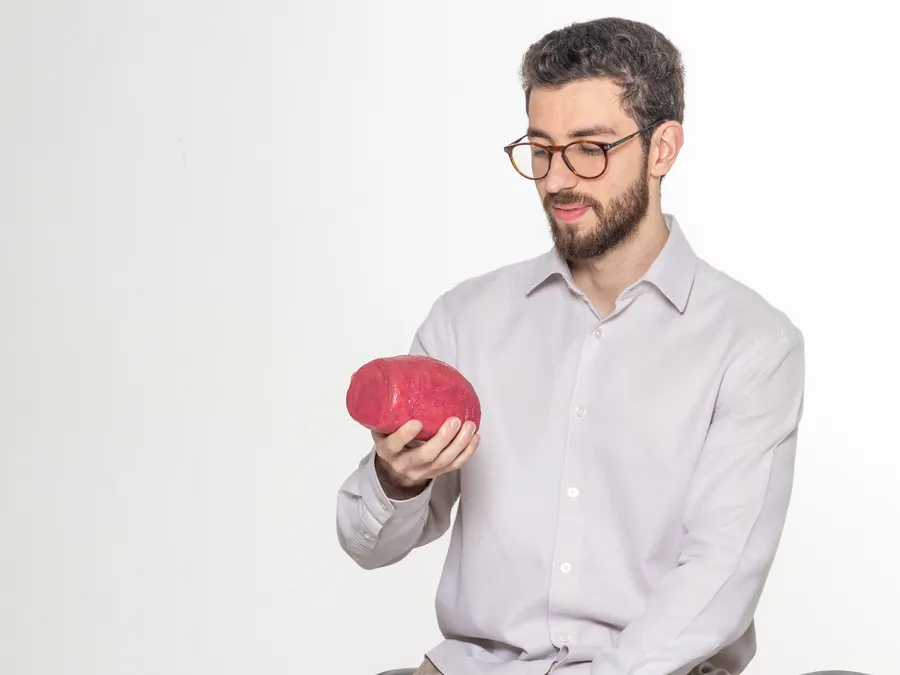
Scientific research, critical analysis of the evidence and continuous updating to underpin clinical practice in lipedema.




Continuing education with national and international faculty, integrating scientific knowledge, clinical reasoning and multiprofessional competencies.

Individualized assessment, skilled listening and interdisciplinary care, considering symptoms, functionality and quality of life.
Elevate your professional practice with specialized scientific training in lipedema.ABRALIPRO® offers postgraduate programs, professional development courses and scientific update courses, with national and international faculty, for physicians and professionals from different areas of health.
Explore our training programs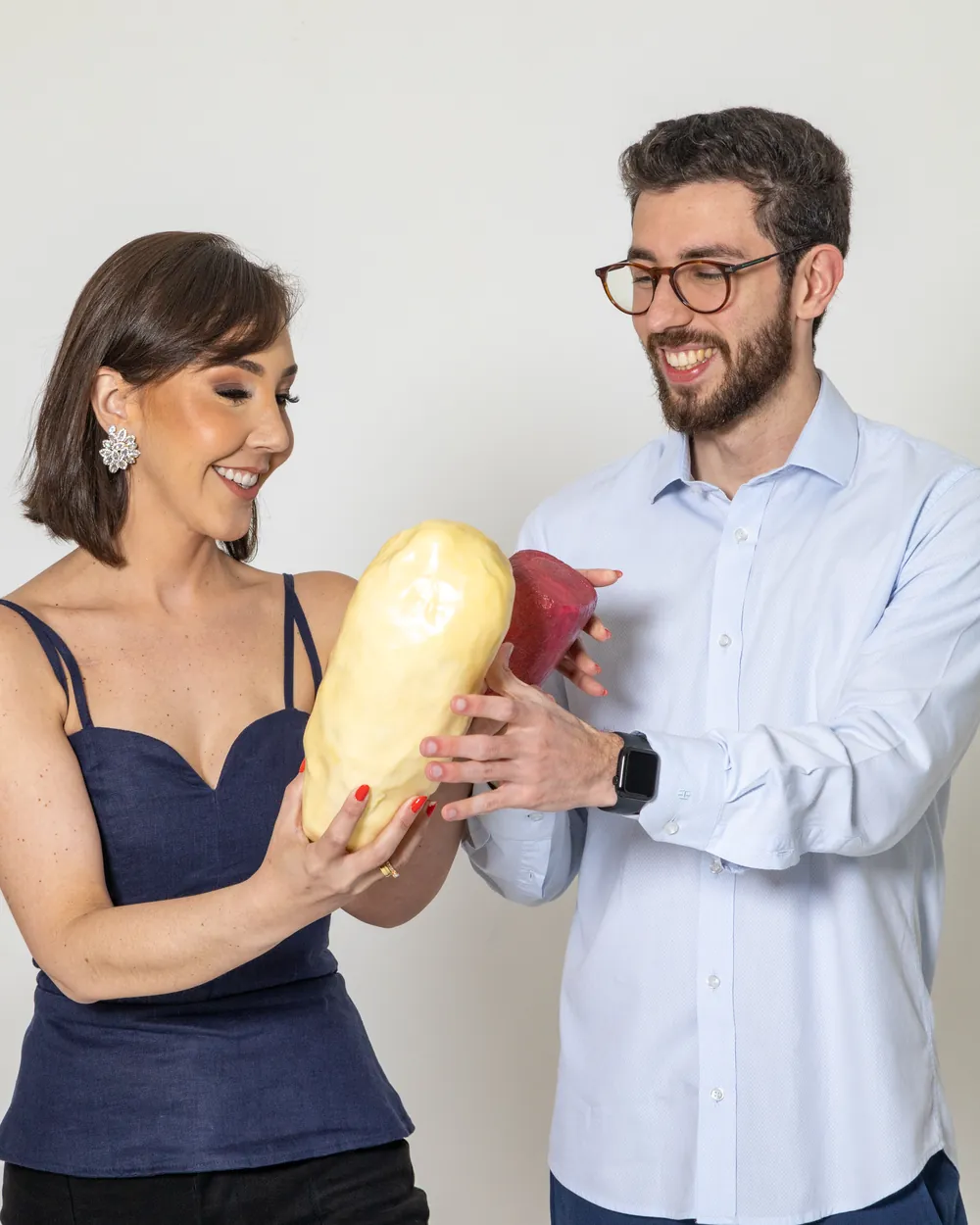
Lipedema is a chronic disease that involves an abnormal distribution of subcutaneous adipose tissue, often accompanied by pain or discomfort in the affected areas. Science is investigating how the cellular and structural characteristics of this tissue may contribute to the clinical manifestations of the disease.
Scientific investigation goes beyond measuring body volume. Histological and molecular studies have been analyzing characteristics of adipocytes, the organization of the extracellular matrix, changes in the microvasculature and possible changes in the interaction between adipose tissue cells and immune components.
Some studies describe adipocyte hypertrophy, extracellular matrix remodeling and microvascular changes in samples of affected tissue. These findings broaden the questions about the biology of lipedema, but they do not yet explain, on their own, all the manifestations of the disease, nor do they constitute a diagnostic test by themselves.
The mechanisms involved remain partially understood. The role of inflammation, hormonal factors, genetics, microcirculation and the lymphatic system is still under investigation; for this reason, it is important to distinguish findings observed in studies from hypotheses that are still being consolidated.
Understanding lipedema requires investigating the biology of the tissue, recognizing the clinical manifestations and distinguishing what is already established from what remains under study.
Study the organization and cellular characteristics, not just the amount of tissue.
Understand the structure that supports and organizes the cells of the tissue.
Investigate changes described in the small blood vessels of the affected tissue.
Communicate findings precisely, without presenting mechanisms under investigation as definitive truths.
536
Publications indexed in PubMed for the term “lipedema”.
Last updated:
Explore scientific publications
Want to bring this evidence into your practice?Go deeper in the postgraduate program, taught by faculty from Brazil and six other countries.
Discover the postgraduate programFollow consensus statements, reviews and new studies, recognizing both the advances and the limitations of the available knowledge.
Encourage the exchange of experiences and a broad view of care, respecting the competencies of each profession.
Bring research and clinical reality closer through structured training, case discussion and development of professional reasoning.

It is in this context that ABRALIPRO® positions itself: as an organization dedicated to the training and continuing education of health professionals, promoting scientific updating, integration between different areas and the development of clinical reasoning.
More than transmitting information, we seek to bring science and practice closer together, helping knowledge to be critically interpreted and responsibly applied, respecting the particularities of each patient and the competencies of each profession.
Our purpose is to connect science, professionals and patients through education, strengthening knowledge about lipedema and contributing to increasingly qualified care.
The future of care begins with knowledge.
Every prepared professional can help more people be heard, carefully assessed and followed in an individualized way. ABRALIPRO® believes in education as a path to bring science, professionals and patients closer together and to strengthen the building of better-qualified care.
Discover our training programs and be part of this transformation.